Cape Aloe
Aloe ferox
Also known as: Cape Aloe, Bitter Aloe, Red Aloe
Asphodelaceae
If your pet has eaten this plant, call ASPCA Poison Control: (888) 426-4435 — available 24/7.
Last reviewed: June 2026 · Source: ASPCA Animal Poison Control
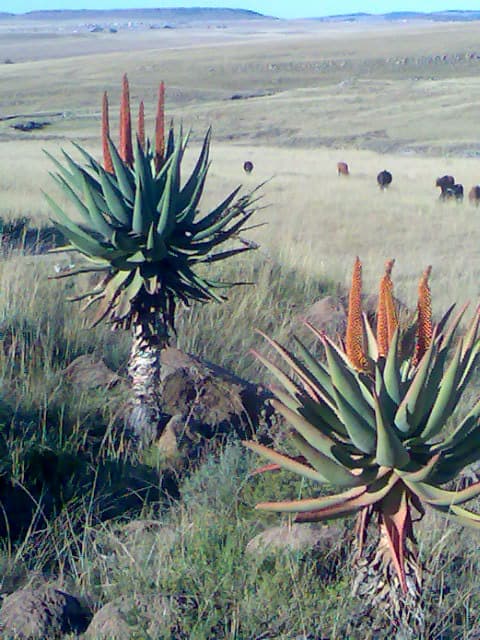
Large, dramatic aloe with thick blue-green leaves covered in sharp spines. Grows into an impressive single-stemmed plant.
Toxicity
Source: ASPCA Animal Poison Control Center. Always consult a veterinarian if your pet ingests any plant.
Care Guide
Pot Size
Frequently Asked Questions
Is Cape Aloe toxic to cats?↓
Yes, Cape Aloe (Aloe ferox) is toxic to cats. If your cat ingests any part of this plant, contact your veterinarian or the ASPCA Animal Poison Control Center (888-426-4435) immediately.
Is Cape Aloe toxic to dogs?↓
Yes, Cape Aloe is toxic to dogs. Symptoms may include vomiting, drooling, or lethargy. Contact your vet immediately if your dog chews or eats this plant.
How often should I water Cape Aloe?↓
Water Cape Aloe every 14–21 days. Allow the soil to dry out completely between waterings — this plant is drought-tolerant and prone to root rot if overwatered.
How much light does Cape Aloe need?↓
Cape Aloe thrives in direct sunlight, ideally a south- or west-facing window. It is forgiving and adapts to a range of light conditions.
What size pot does Cape Aloe need?↓
Use a pot between 6″ and 12″ in diameter. When repotting, choose a pot only 1–2″ larger than the current one — too much space retains excess moisture and can lead to root rot.