Monstera Albo Variegata
Monstera deliciosa 'Albo-Variegata'
Also known as: White Variegated Monstera, Albo Monstera, White Tiger Monstera
Araceae
If your pet has eaten this plant, call ASPCA Poison Control: (888) 426-4435 — available 24/7.
Last reviewed: June 2026 · Source: ASPCA Animal Poison Control
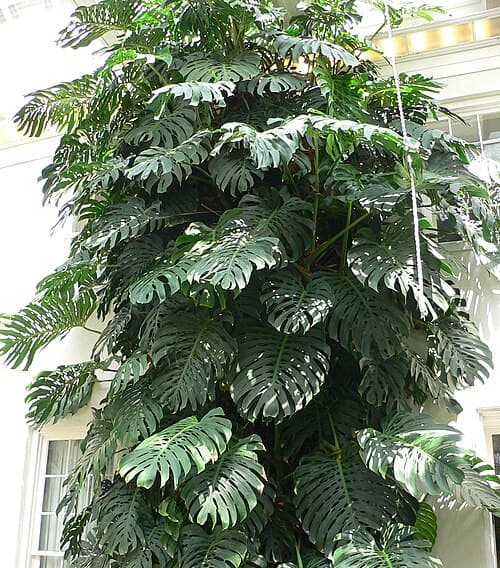
One of the most coveted houseplants, featuring the iconic split leaves of Monstera deliciosa with dramatic white and green variegation. Each leaf is uniquely patterned and highly sought by collectors.
Toxicity
Source: ASPCA Animal Poison Control Center. Always consult a veterinarian if your pet ingests any plant.
Care Guide
Pot Size
Frequently Asked Questions
Is Monstera Albo Variegata toxic to cats?↓
Yes, Monstera Albo Variegata (Monstera deliciosa 'Albo-Variegata') is toxic to cats. If your cat ingests any part of this plant, contact your veterinarian or the ASPCA Animal Poison Control Center (888-426-4435) immediately.
Is Monstera Albo Variegata toxic to dogs?↓
Yes, Monstera Albo Variegata is toxic to dogs. Symptoms may include vomiting, drooling, or lethargy. Contact your vet immediately if your dog chews or eats this plant.
How often should I water Monstera Albo Variegata?↓
Water Monstera Albo Variegata every 7–14 days. Water when the top inch of soil feels dry to the touch.
How much light does Monstera Albo Variegata need?↓
Monstera Albo Variegata thrives in bright indirect light, such as near a window with filtered sunlight. Providing the right light level is important for healthy growth.
What size pot does Monstera Albo Variegata need?↓
Use a pot between 8″ and 14″ in diameter. When repotting, choose a pot only 1–2″ larger than the current one — too much space retains excess moisture and can lead to root rot.